Masonry Waterproofing in Seattle, WA
Masonry waterproofing services focus on protecting the structural integrity of brick, stone, concrete, and other masonry surfaces by preventing water intrusion and damage. These services are commonly requested for foundations, retaining walls, chimneys, and decorative facades to help homeowners preserve their property's durability and appearance. Before requesting waterproofing, property owners should consider the specific types of masonry involved, the existing condition of surfaces, and any signs of water infiltration such as cracks, staining, or efflorescence. Understanding these factors can help determine the most appropriate waterproofing solution for the project.
Proper masonry waterproofing often involves applying sealants, membranes, or coatings designed to repel water while allowing the structure to breathe. It is important for property owners to understand the scope of work needed, including surface preparation and potential repairs to damaged areas, to ensure long-lasting protection. Consulting with a professional can help clarify the best methods for each project type, whether for historic buildings, new constructions, or renovations, ensuring the waterproofing system effectively guards against moisture-related issues.
Many property owners in Seattle, WA look into Masonry Waterproofing for repairs, replacements, upgrades, and appearance-related improvements.
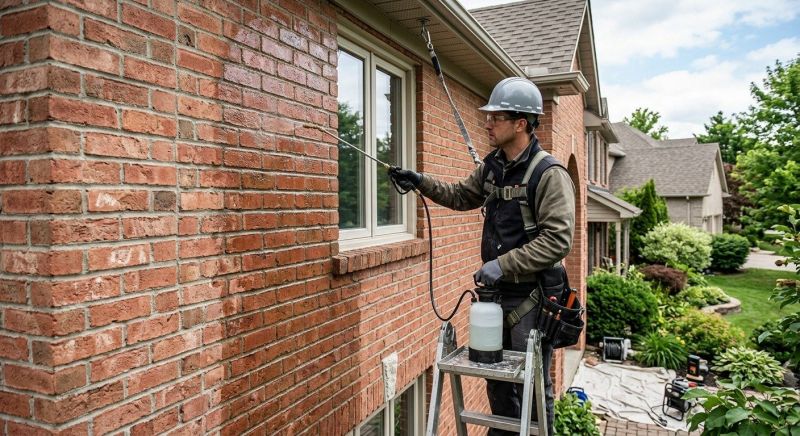
Foundation Protection
Masonry waterproofing helps prevent water seepage and damage to building foundations.
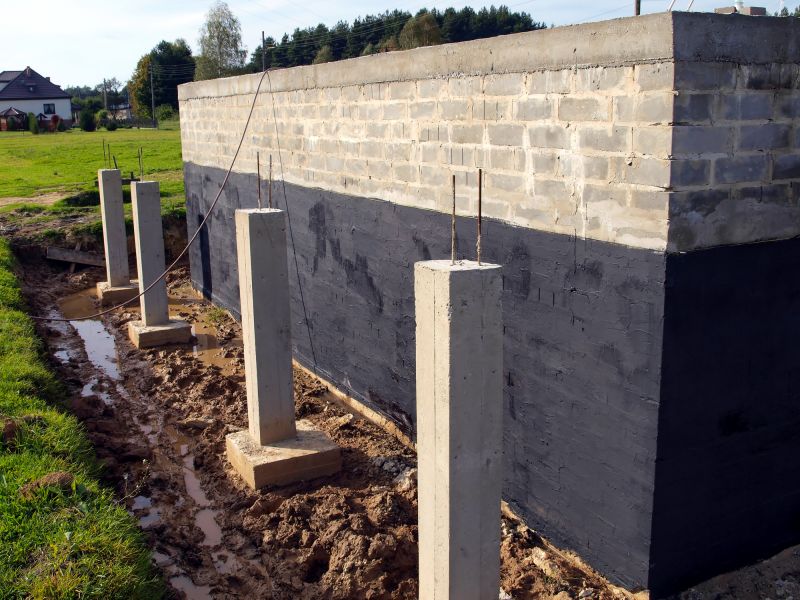
Basement Waterproofing
Effective masonry sealing keeps basements dry and reduces the risk of mold growth.
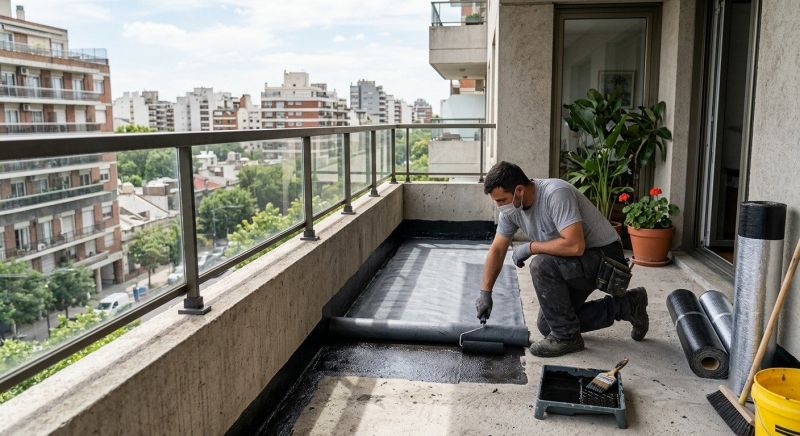
Retaining Wall Durability
Waterproofing masonry walls enhances their strength and extends their lifespan in rainy seattle conditions.
Masonry Waterproofing in Seattle, WA
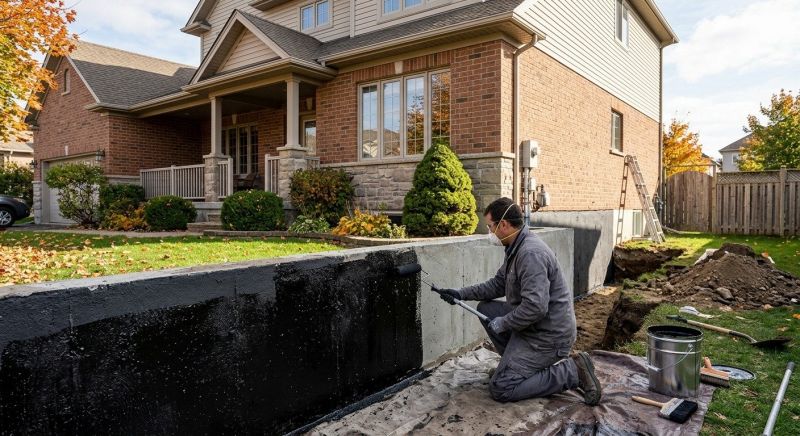
Masonry waterproofing services focus on protecting the structural integrity of brick, stone, concrete, and other masonry surfaces by preventing water intrusion and damage. These services are commonly requested for foundations, retaining walls, chimneys, and decorative facades to help homeowners preserve their property's durability and appearance. Before requesting waterproofing, property owners should consider the specific types of masonry involved, the existing condition of surfaces, and any signs of water infiltration such as cracks, staining, or efflorescence. Understanding these factors can help determine the most appropriate waterproofing solution for the project.
Proper masonry waterproofing often involves applying sealants, membranes, or coatings designed to repel water while allowing the structure to breathe. It is important for property owners to understand the scope of work needed, including surface preparation and potential repairs to damaged areas, to ensure long-lasting protection. Consulting with a professional can help clarify the best methods for each project type, whether for historic buildings, new constructions, or renovations, ensuring the waterproofing system effectively guards against moisture-related issues.
Many property owners in Seattle, WA look into Masonry Waterproofing for repairs, replacements, upgrades, and appearance-related improvements.
Common Masonry Waterproofing Jobs
Foundation Sealing - Protects basement walls from water intrusion and moisture damage.
Cavity Wall Waterproofing - Prevents water from penetrating through exterior masonry cavities.
Brick and Masonry Waterproofing - Preserves the integrity of brick structures by blocking water entry.
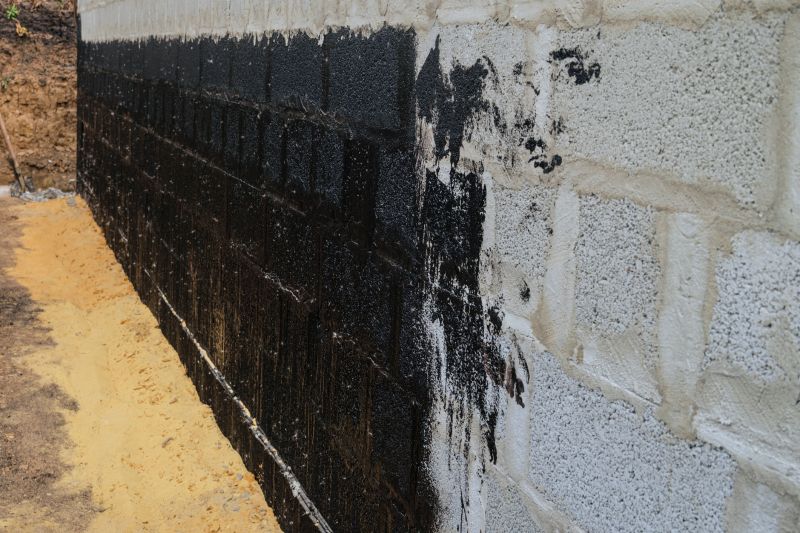
Cementitious Waterproofing - Provides a durable barrier for underground and foundation surfaces.
Waterproof Coatings - Shields exterior masonry from rain, snow, and humidity.
Crack Injection - Seals existing cracks to prevent water leaks and structural deterioration.
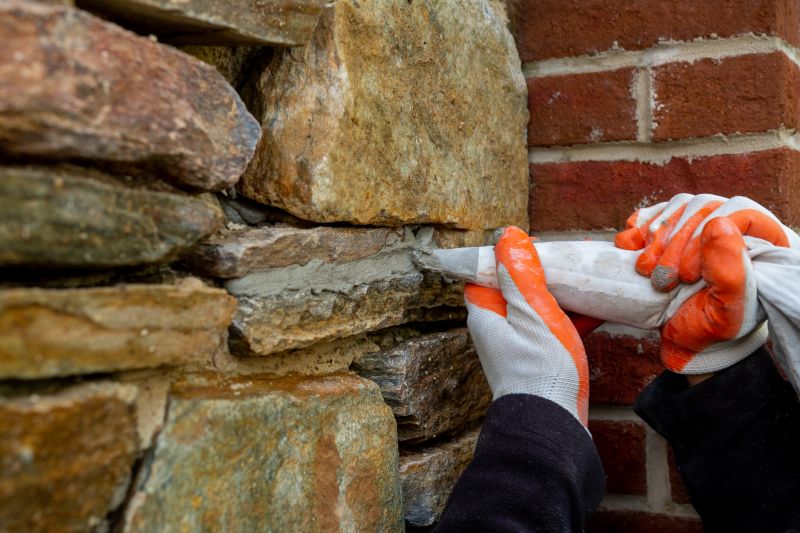
Masonry Waterproofing Questions
What is masonry waterproofing? Masonry waterproofing involves applying protective treatments to prevent water from penetrating brick, stone, or concrete surfaces.
Why is waterproofing important for masonry? It helps protect structures from water damage, such as cracking, spalling, and mold growth, which can compromise stability.
What types of masonry surfaces can be waterproofed? Common surfaces include foundations, retaining walls, brick facades, and decorative stonework.
How does masonry waterproofing work? It typically involves sealing or coating surfaces with specialized products to create a barrier against moisture intrusion.
Request Masonry Waterproofing in Seattle, WA
Use the quote form on this page to share the basics of your project and request more information for the type of work you need.